 maxnovak88
I still run roulette sessions on my phone during a Brisbane arvo the same way I built slot tables two decades ago at Pineapple Play: the bet size stays small, the session ends when the plan says it ends, and the screen is only as useful as it is readable. Win real money playing roulette is not a side quest you squeeze between tabs; it is a deliberate session where the maths, the layout, and your own bankroll discipline decide the evening. When I compare a mobile table to a physical floor, the difference is not glamour, it is friction. A resort can keep you on the carpet with a spa, a shopping mall, and a convention centre so you never feel the need to leave, but a phone table has to earn every minute on its own. That is the lens I use when I judge whether a roulette setup is worth a real deposit.
The Session Mindset Before the First Spin
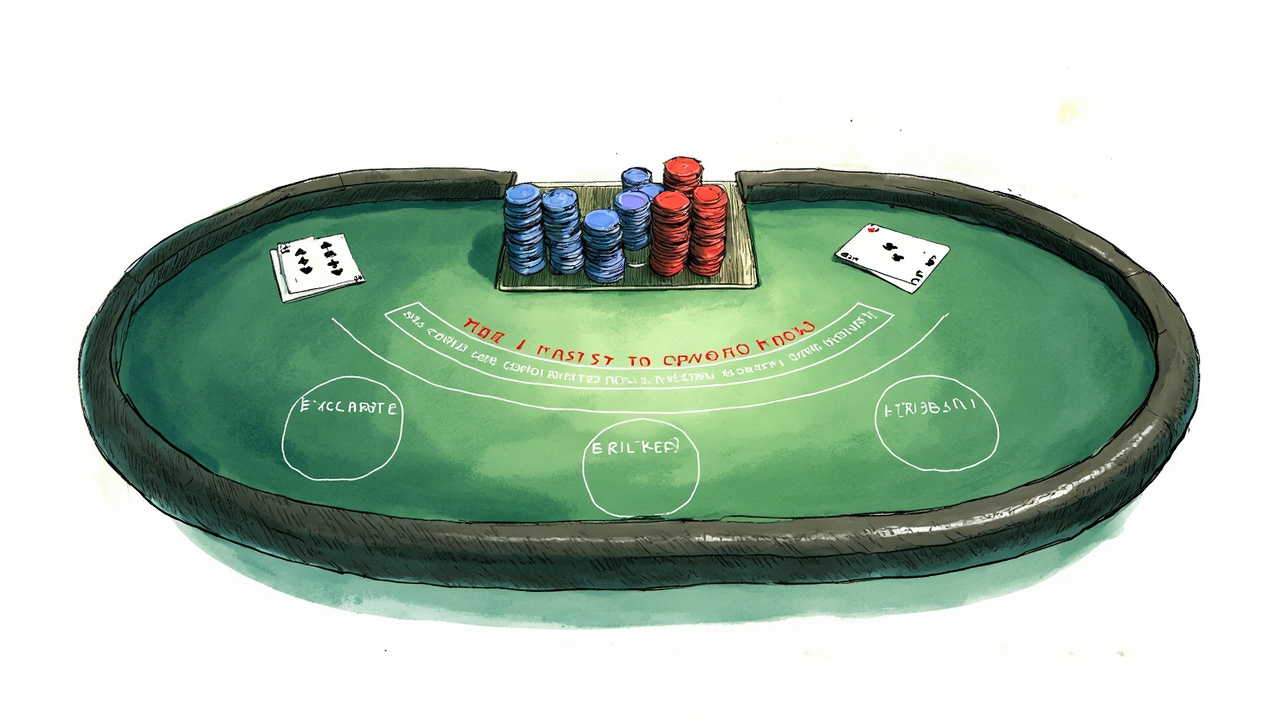
Roulette rewards patience more than most players admit, and the first mistake is treating a live wheel like a slot that pays back on a timer. I have spent twenty years watching studios tune hit frequency and volatility, and roulette is a different animal: the house edge sits in the layout itself, so the only honest lever is how you size bets and when you walk away. Past posting is illegally placing or changing a bet after the outcome is known, and any operator worth a cent treats that as a hard line, not a grey area. That matters on mobile because a clumsy tap can feel like a mistake when it is just a slow connection. I would rather see a clean interface with a visible balance, a clear bet slip, and a spin button that responds on the first touch than a flashy lobby full of noise.
The practical starting point is a session limit that you set before the first chip goes down, not after the second loss. British casinos require membership and enforce strict entry rules, which sounds rigid until you realise it is just a gate around discipline; on a phone, the gate is your own pre-commitment. I tell people to decide the unit size, the stop-loss, and the target in writing, then treat the screen as a tool rather than a toy. If the table pace feels too fast for your head, slow it down by betting fewer spins per minute, not by chasing the next number. The goal is not to outrun variance; it is to stay in the room long enough to make real decisions.
Mobile Usability That Actually Earns Its Space
A roulette table on a phone has to work when your thumb is half the screen and the train is lurching, which is why I judge mobile fit by responsiveness and navigation rather than by how many banners are on the page. I have seen studios ship a desktop layout and call it mobile because it technically loads, but that is the same as handing someone a map printed for a different city. A sensible setup keeps the table centred, the bet chips reachable without zooming, and the balance visible before every spin, because nothing kills a session faster than hunting for the stake field. When the browser version is this tidy, the app version usually adds little beyond push reminders and a quicker login; when the browser version is cramped, no amount of polish fixes it.
The table below is the kind of quick comparison I use when I am deciding whether a roulette setup deserves a real session or just a look.
| What to check | What good looks like | What makes me move on |
|---|---|---|
| Layout fit on phone | Table centred, chips reachable without zoom, balance visible before every spin | Desktop layout shrunk to mobile, hidden bet slip, tiny tap targets |
| Pace and clarity | Spin button responds on first touch, recent result shown plainly, no clutter between rounds | Laggy reloads, overlapping panels, pace that feels rushed by design |
| Navigation on the move | One-tap back to lobby, obvious table limits, clear currency shown | Hidden menus, confusing game switcher, balance or currency not obvious |
I have no interest in pretending a mobile table replaces a live room; I am judging whether it is honest about what it is. A clean browser session that loads quickly and keeps the maths visible is worth more than a glossy app that hides the limits behind three taps. If you want to test that kind of fit without tossing in a full deposit first, you can look at a free chip offer on a quiet afternoon and see whether the table actually behaves the way the lobby promises.
Where the Money Actually Goes and How to Read It
The part most players skip is the boring one: currency, limits, and the way a bonus actually behaves when you try to use it. I have built studios where the bonus mechanics had to be written in plain English because vague terms only create angry support tickets later, and roulette is where that clarity matters most. A welcome offer that looks generous on the page can turn awkward on a roulette table if the contribution rate or the wagering expectation is not obvious, so I read the fine print as a restraint, not as a trap. The honest question is whether the terms let you play at the pace you planned, or whether they push you into a different game to clear them.
Payments and registration should be equally straightforward. I want a sign-up that asks for what it needs, a currency that matches the table I am sitting at, and a balance that updates without me having to refresh the page like it is 2008. Support matters here too, because a mobile roulette session is only as good as the help when a deposit stalls or a bet does not land the way the screen said it would. I have seen loyalty programmes that reward regular play with small, sensible perks rather than loud promises, and that is the kind of structure I respect: it keeps the session honest instead of trying to sell the next deposit as the solution to a losing evening.
Ruby Harris, Marketing Director, Australian Gaming Futures, puts the practical point cleanly: “If a roulette setup makes the limits and the bonus terms hard to read on a phone, it is not a mobile-first product, it is a desktop product wearing a smaller screen.” That is the sort of judgement I agree with, because a good table should not need a manual to explain what it is asking you to bet. I would rather see a smaller, clearer offer that fits the session than a large one that asks me to bend my plan around it.
When I close a roulette session, I usually think back to that Brisbane arvo and the same question I ask before any real money goes in: does this setup let me play my plan, or does it ask me to abandon it? That is the test I still use, and it is the reason I do not treat roulette as a shortcut to a different life. Win real money playing roulette is possible, but only as a disciplined session with honest limits, a readable screen, and a clear exit before the heat takes over.